Self-plagiarism is also known as reusing someone else’s work or copying previously published content without proper acknowledgement. In academic publications, originality is a key standard of evaluation. When the same author republishes previously used work as a new article, it raises an ethical concern and reduces the principle of academic publication. According to the journal requirements, new ideas, unique analyses, and studies should be included.
How to Avoid Self-Plagiarism:
Avoiding self-plagiarism is essential to maintain academic integrity, credibility, and trust. Researchers can adopt several practical strategies:
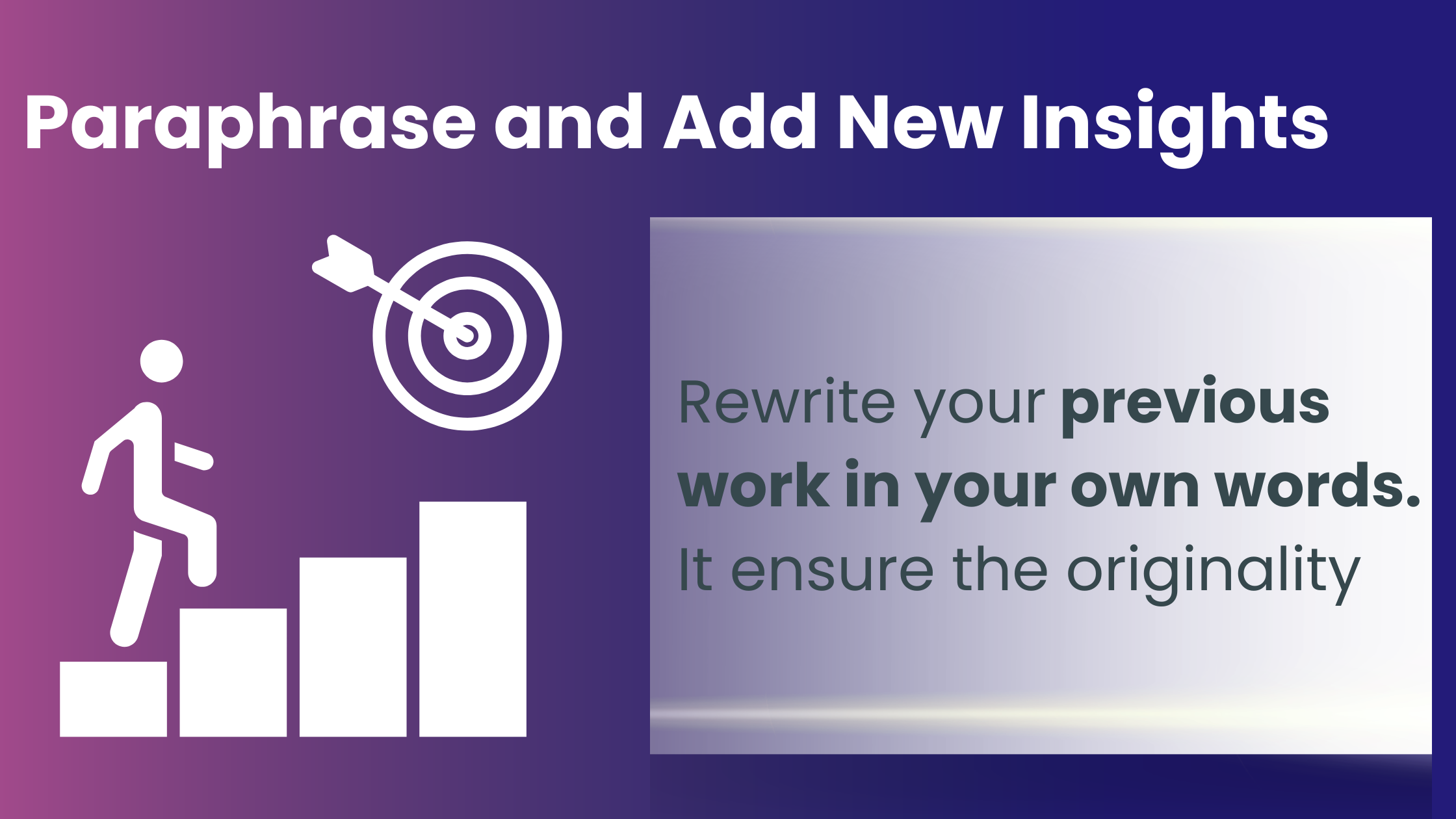
Paraphrase and Add New Insights
Instead of copy-pasting, rewrite your previous work in your own words, adding new analysis, discussion, or interpretations. This ensures originality while building upon prior research.
Always Cite Your Own Work
Even if the content is yours, it may look like any other source. Reference previous publications, datasets, or presentations to give proper credit and clarify what is new.
Seek Publisher Permissions
If you need to reuse figures, tables, or extensive text from previous work, obtain permission from the original publisher. This avoids copyright conflicts.
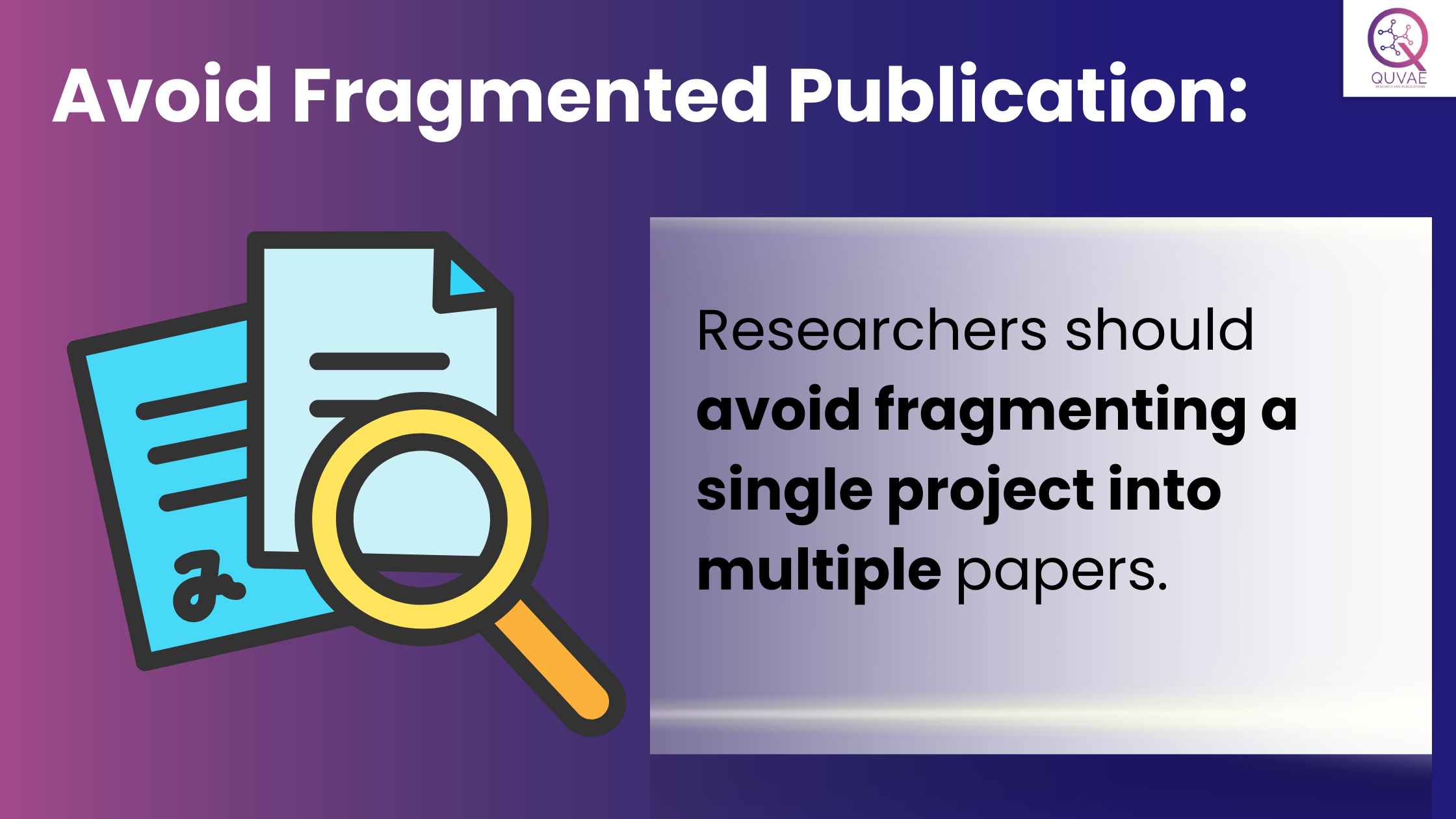
Avoid Fragmented Publication:
By avoiding fragment publication, it ensures each paper addresses a distinct research question or dataset. Each manuscript should stand alone and offer unique contributions.
Use Similarity Check Tools
Before submission, run your manuscript through tools like iThenticate or Turnitin to identify overlapping content. This helps you correct or cite duplicated material proactively.
Examples of Self-Plagiarism:
Duplicate Publication
Submitting the same article to multiple journals without disclosure.
Example: A researcher publishes the same clinical trial results in two journals with minor edits.
Reusing Literature Reviews or Introductions
Copying background sections or literature review paragraphs from previous papers.
Example: Using a paragraph from an earlier article’s introduction in a new submission without citation.
Conference to Journal Reuse
Submitting the same paper presented at a conference to a journal without indicating prior presentation.
Example: A poster presentation at a conference becomes a journal article with identical text and figures, no disclosure.
Legal and Ethical Implications
Legal Dimensions
- Copyright issues: Once your paper is published, the rights to that content usually belong to the publisher, not you. If you reuse the same text in another journal, it is similar to violating the publisher’s confidence, and in certain situations, it may even lead to legal issues.
- Breaking Publication Rules: By submitting a manuscript to a journal, you are truly ensuring that the journal receives an original manuscript that hasn’t been sent elsewhere. Breaking the agreement might have significant consequences and go beyond breaking the publication rules.
- Intellectual Property Conflicts: The figures, tables, and images are like creative works. If you copy them straight from a previously published work without permission or proper attribution. It leads to the removal of your work or even legal proceedings in extreme cases.
Ethical Dimensions
- Integrity of Science: Research depends on earlier findings. If the previous results are recycled as new, it slows down genuine discovery and adds unnecessary clutter to the scientific record.
- Transparency: Readers and editors should know if parts of a paper have already been published. Hiding this information creates a false impression of originality.
- Fairness: When authors recycle the same work in multiple papers, it makes their publication record appear more impressive than it actually is. This is unfair to researchers who invest time and effort in producing genuinely new studies.
- Trust: Academic publishing is built on trust between researchers, universities, journals, and the public. Self-plagiarism damages that trust and raises doubts about the author’s credibility.
Consequences in Academic Publishing
Self-plagiarism may seem to be simple at first, but in academic publishing, it has serious professional, ethical, and career-related consequences. Journals, universities, and research institutions may lose their academic integrity.
Here are some of the consequences :
- Rejection of Manuscript
If journals detect self-plagiarism during the review process, they usually reject the paper. This undermines the author’s reputation with editors and reviewers and loses months of effort.
- Retraction of Published Papers
If self-plagiarism is discovered after publication, the journal may issue a retraction notice. Retractions are permanent, publicly available records that can severely harm an author’s academic reputation.
- Damage to Reputation
Academic careers are built on trust and originality. Being flagged for self-plagiarism can make peers, colleagues, and institutions question the integrity of the researcher. Once damaged, a professional reputation is extremely difficult to rebuild.
- Loss of Publishing Opportunities
Editors and publishers keep track of misconduct. An author who commits self-plagiarism may find it harder to publish in reputable journals in the future, since many publishers are removing or avoiding repeat offenders.
- Ethical issues:
Even if no legal action is taken, self-plagiarism creates an ethical issue. It signals to the academic community that the author values quantity over quality, which can affect collaborations, conference invitations, and funding opportunities.